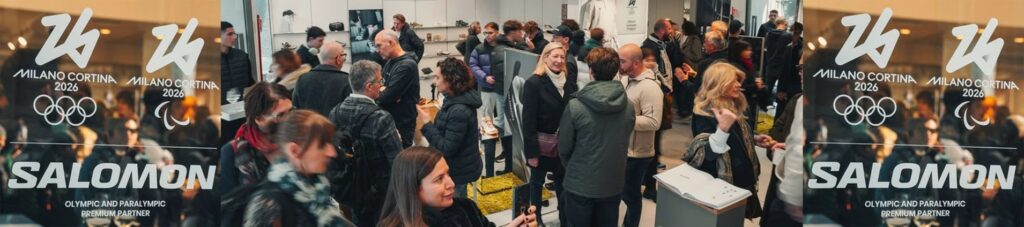
In October 2023, Salomon quietly took a step it had never taken before. The French brand, best known for its roots in skiing and trail running, signed on as a Premium Partner of the Milano Cortina 2026 Winter Olympic and Paralympic Games. On paper, it looks like a standard sponsorship deal. In reality, it is a fascinating shift for a company that has long carried credibility among mountain insiders but has never been tied so closely to the Olympic stage.
Dressing the Invisible Army
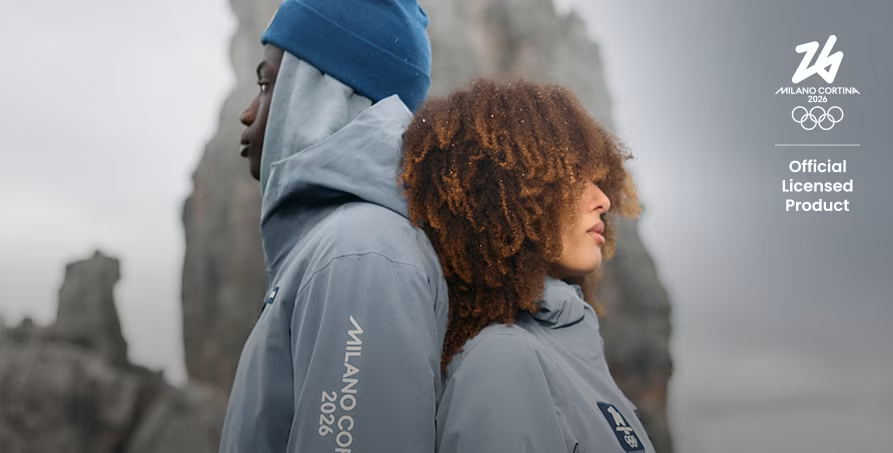
Most of the people who keep the Olympics running will never appear on TV. They are volunteers directing crowds, technicians keeping events on schedule, and judges working behind the scenes. At Milano Cortina, nearly 20,000 of them will be wearing Salomon. That means when you walk into a venue or see a torchbearer on the streets of Milan, there is a good chance you will be looking at someone outfitted by the French brand.
Uniforms rarely make headlines, but they shape the feel of an event. The Olympics have a history of partnerships with major sportswear companies, from Adidas and Nike to lesser known specialists. For Salomon, the job is both practical and symbolic. It is about delivering functional clothing that can handle cold Italian winters, but also about putting the company’s identity into the fabric of the Games.
From Slopes to Streetwear
Salomon’s rise in recent years has been remarkable. Once a niche ski boot manufacturer, the brand has crossed into fashion circles, embraced by communities that care as much about sneakers as they do about snow. The XT-6 trail running shoe, in particular, has become a cult object from Tokyo to Paris. This cultural crossover makes the Olympic partnership more interesting than a simple supplier arrangement. Salomon now stands in the space between performance and lifestyle, and the Games give it a platform to explore both.
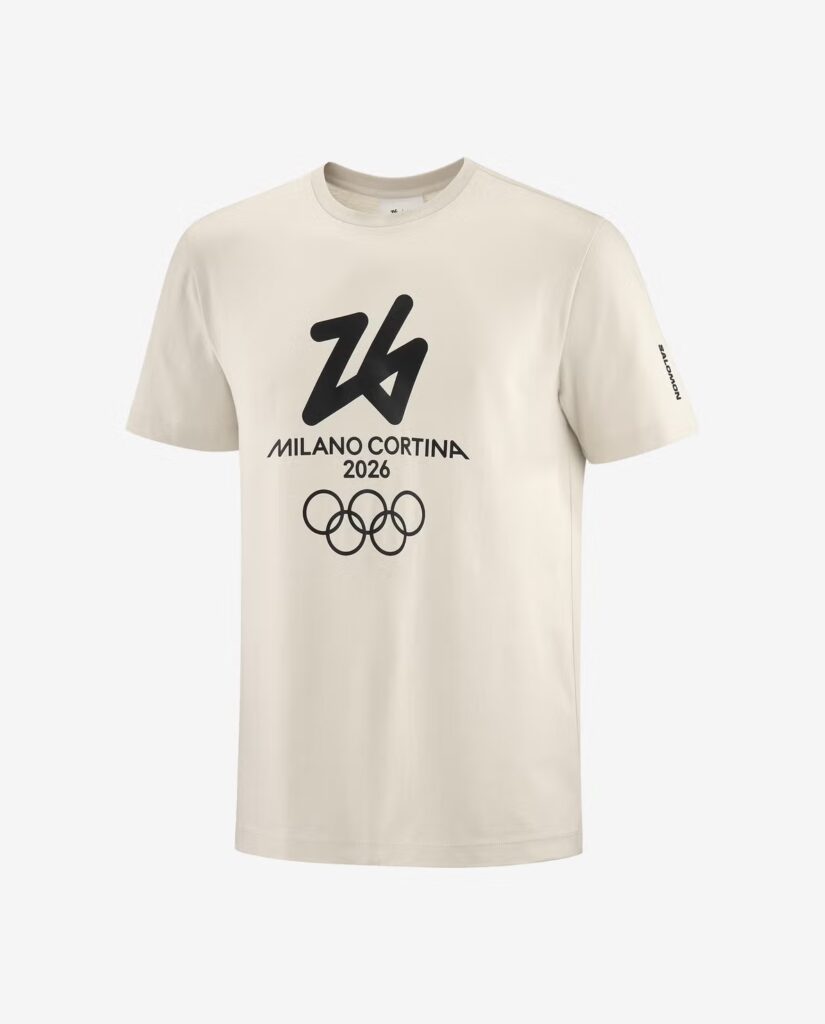
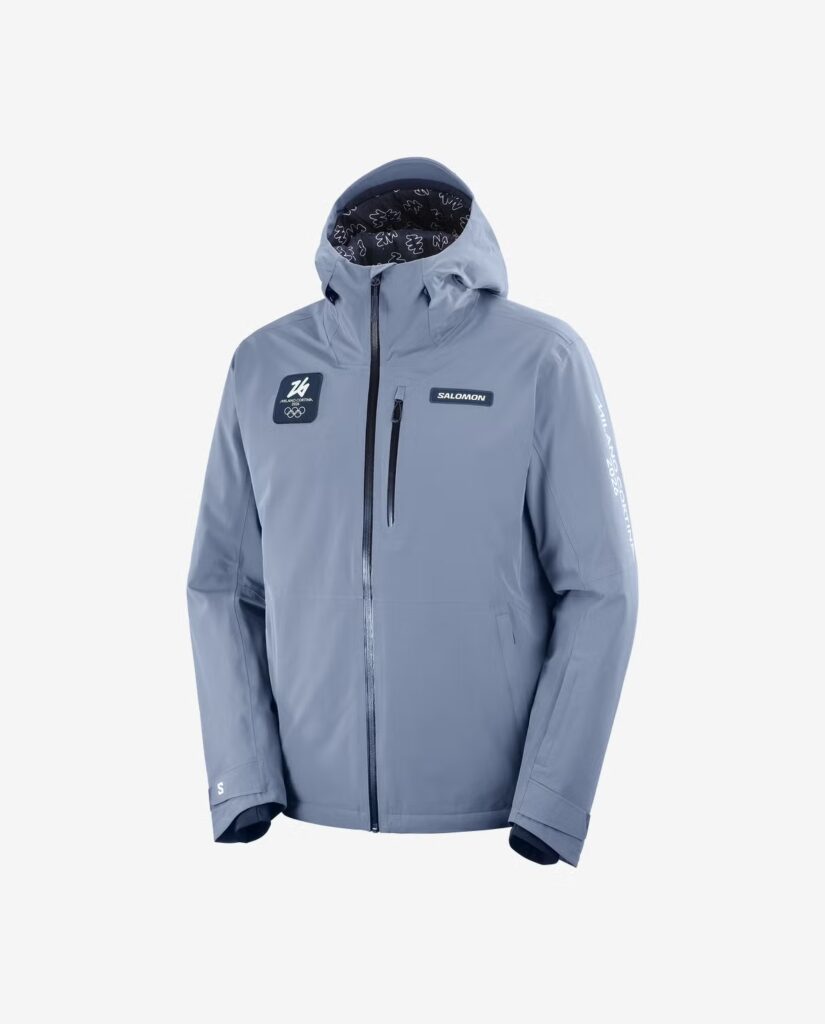
The first signs of this were clear when Salomon announced it would also design licensed products for the public. A capsule collection of hoodies, T shirts, and caps has already been released, with a full line of jackets, footwear, and accessories arriving in late 2025. These are not just uniforms for staff. They are consumer products designed for fans who want to wear the Olympic badge in a way that feels more connected to modern outdoor culture.

Why Now?
Salomon’s decision to link up with the Games is a calculated move. The Olympics still represent one of the most powerful stages in sport, even in an era when athletes often communicate directly with their fans. For a brand like Salomon, which has built its credibility outside the traditional sponsorship machine, stepping into this arena signals ambition. It suggests that Salomon no longer wants to be seen only as the trusted choice of skiers and ultrarunners. It wants to be recognized on a global stage where identity, heritage, and style matter as much as performance.
The timing makes sense. Milano Cortina 2026 will be the first Winter Games hosted in Italy in 20 years. The location itself carries cultural weight. Italy has the design sensibility, the fashion heritage, and the landscape to make the Games feel like more than just sport. For Salomon, associating with that mix of style and snow is a natural fit.
A Subtle but Significant Move
What makes this partnership notable is that it is not flashy. Salomon is not taking over the podium, nor is it outfitting the athletes who dominate the broadcasts. Instead, it is shaping the experience through the people who often go unseen. That humility aligns with the brand’s history. Salomon gear has always been designed for those who spend long hours outdoors, not for those chasing a spotlight. Yet by entering the Olympic ecosystem, the company positions itself in front of millions of viewers and consumers without losing its understated credibility.
Looking Toward 2026
By the time the Games open in February 2026, Salomon will be visible on the backs of thousands of volunteers, in the wardrobes of fans wearing licensed collections, and in conversations about how traditional outdoor brands are stepping into broader cultural relevance. The move does not feel like a flashy corporate play. It feels more like a natural extension of where Salomon already is: on the mountains, in the cities, and now, for the first time, on the Olympic stage.
Read more about fashion here.