The story is simple enough. Three of the brand’s most significant classics collected silverware at the world’s most fastidious beauty parades. The nuance is more interesting. This summer made clear that Bentley’s Heritage Collection is no longer a museum in mothballs but a living fleet with something to say about the company’s future.

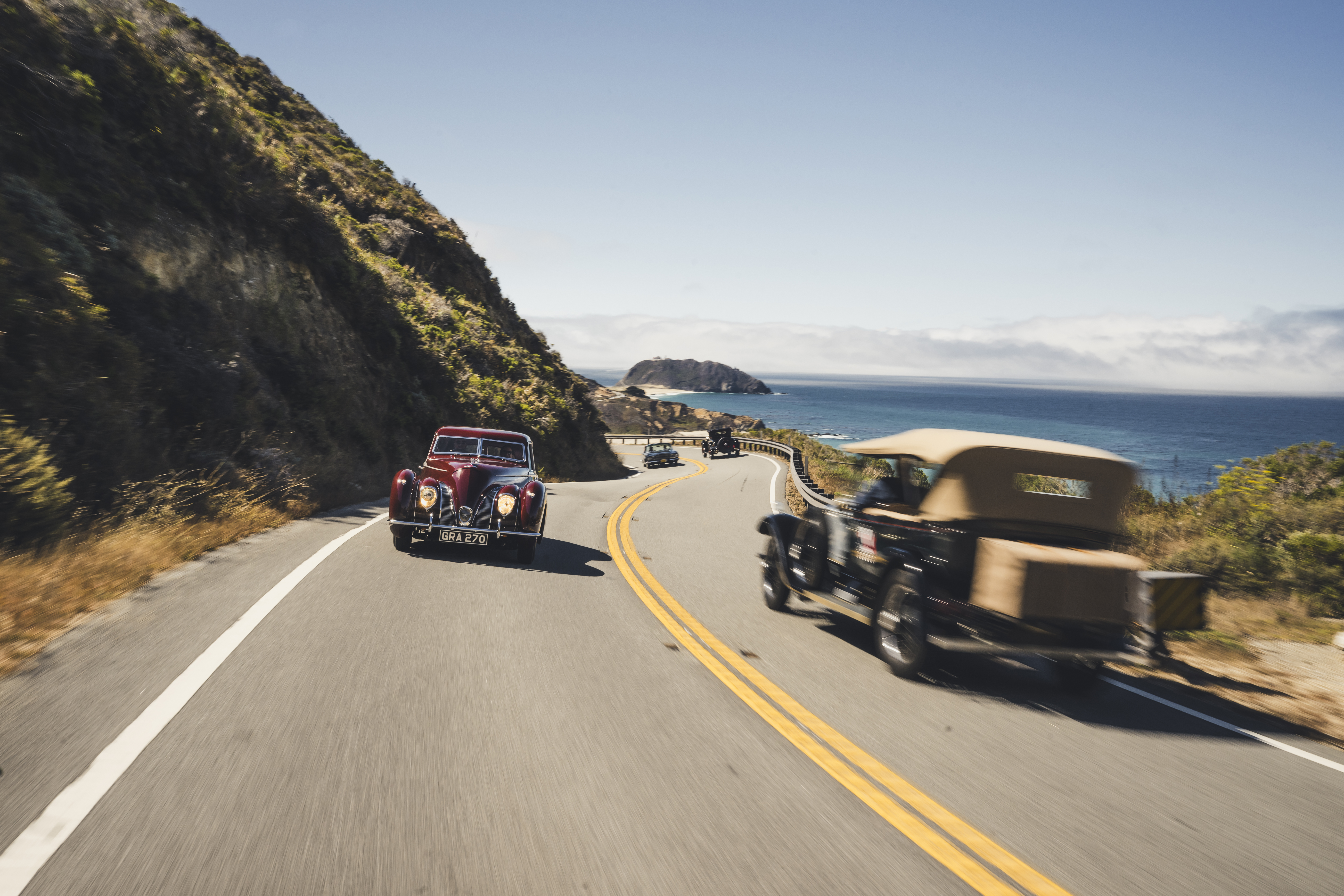
Start with the unicorn. The one-off 1939 Mk V Corniche, rebuilt over more than a decade and finished with Mulliner’s help, became the first factory-entered car ever to be fully judged at Pebble Beach in the event’s 75-year history. That matters. Pebble traditionally lionises private custodians, and the Corniche’s acceptance signals a manufacturer collection done properly. Its streamline bodywork, all sweep and purpose, looks like a whispered promise of speed along the Monterey coastline it completed on the Tour d’Elegance.

At Blenheim Palace, the 1953 R Type Continental, JAS 949, took Best in Class among HJ Mulliner-bodied legends. Those clean, tapering fastback lines remain the cornerstone of the modern Continental GT, proof that good proportions do not age, they mature. And in the gardens of Hampton Court, a 1930 8 Litre Weymann saloon reminded everyone that scale can be elegant. The fabric-skinned body sits light on its long wheelbase, the bonnet seemingly stretching to the horizon.
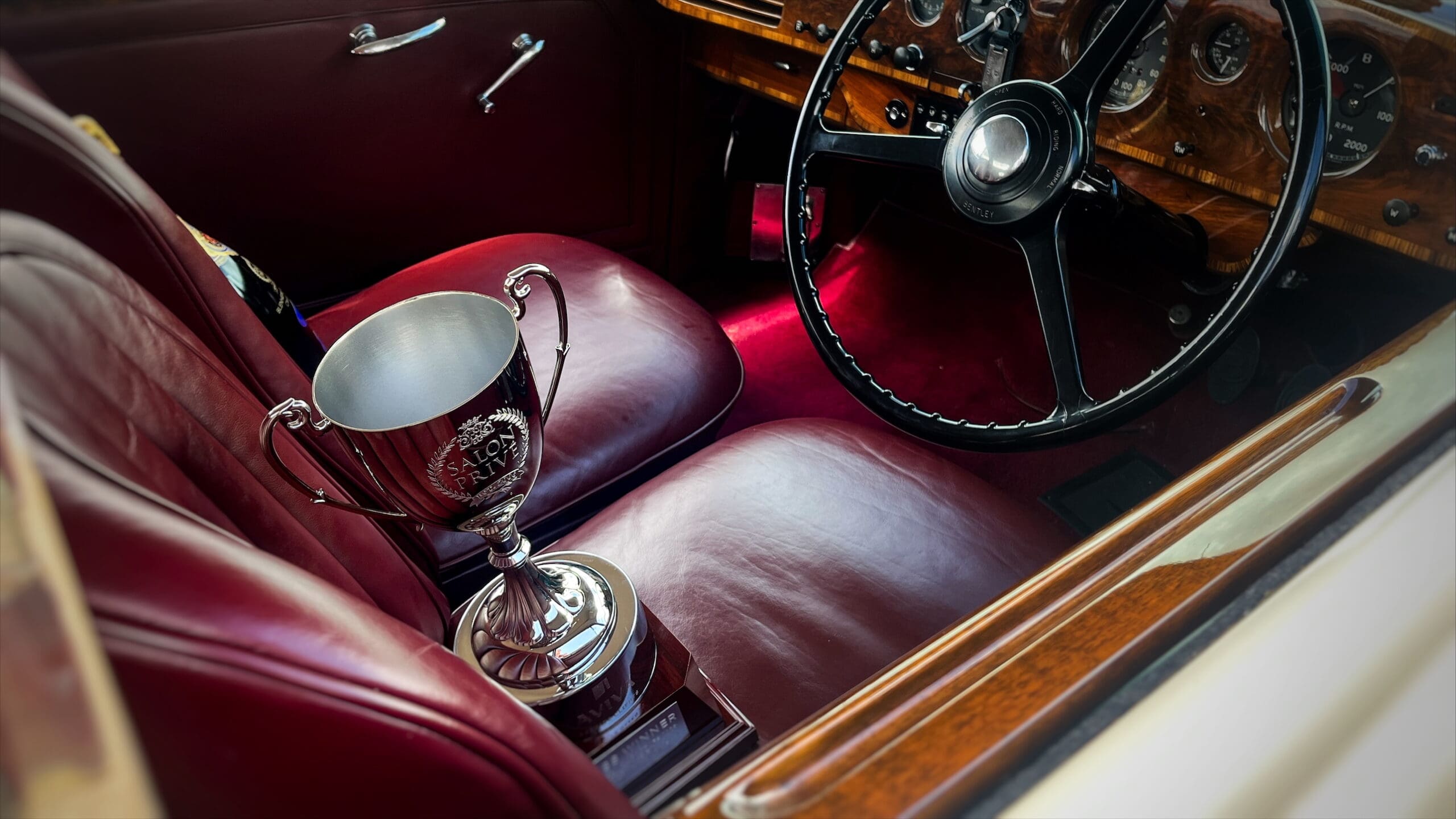
Bentley cabins are as much atmosphere as architecture. The R Type’s thin pillars and low cowl flood the interior with light, the wood and hide delivering that particular blend of warmth and restraint the brand still chases. The 8 Litre’s saloon is a period drawing room, thick carpets muting footsteps, brightwork cool to the touch, every switch moving with the deliberate cadence of a pocket watch. The Corniche is sparser, a pre-war racer’s mindset wrapped in civility, and no worse for it. Across the trio, Mulliner’s thread runs unbroken. Stitching, veneers, hardware, all feel made, not manufactured.
You do not measure cars like these with stopwatches. You measure them with pulse and poise. The 8 Litre was W.O. Bentley’s ultimate statement of effortless torque, triple-digit pace in period delivered with uncanny hush. It still slips away on a wave rather than a crescendo. The R Type Continental was the gentleman’s express, a car designed to cross continents before motorways were a fait accompli. Long gearing, relaxed stride, a cool, unflustered rhythm at speed. The Corniche, conceived on the eve of war, channels aerodynamic curiosity into fluency, its streamlined body turning effort into glide.
Concours season is the car world’s couture week, where stories matter as much as sheet metal. Factory entries can raise eyebrows among purists. Yet Bentley’s new benchmark is difficult to dismiss. The Heritage Collection now numbers 50 cars spanning 106 years, 40 road-legal and 10 race ready, and they are used, not simply displayed. Engineers in Crewe reference them for feel and proportion, which explains why the new EXP 15 design study sat confidently on Pebble’s Concept Lawn, more conversation than cosplay.

There is also strategy in the romance. Heritage gives credibility to Bentley’s sprint toward its Beyond100+ goals, including an all-electric line-up from 2035. Next month’s trio of bespoke Flying Spurs celebrating key four-door anniversaries will underline the through line from stately to swift.
Plenty of brands trade on past glories. Fewer do the hard work to earn the right. By winning at Pebble, Salon Privé and Hampton Court, Bentley’s Heritage Collection showed depth, not just polish. The cars themselves remain the draw, their character intact, their quirks cherished, their significance clear. If you care about how luxury should feel, and how it should evolve, this was a summer worth remembering.
Read more stories about cars here.
