When BMW announced its acquisition of Alpina back in 2022, the news sent a ripple through the automotive world. For purists, it raised questions about independence and identity. For others, it felt like an inevitable step in an industry being reshaped by regulation, electrification, and scale. Yet despite the acquisition, Alpina largely continued as before—until now.
On January 1, 2026, the transfer of the Alpina trademark rights to BMW officially took effect. With that, one of the most quietly influential names in modern automotive luxury entered a new chapter—this time fully under the BMW Group umbrella.
To understand why this moment matters, it’s worth remembering what Alpina represents. Founded in 1965 in Buchloe, Germany, Alpina built its reputation not as a tuner in the traditional sense, but as a manufacturer in its own right. Alpina cars were never about brute-force performance or track dominance. Instead, they offered a rare blend of effortlessness, understated luxury, and deep engineering finesse—cars for those who valued how something drives rather than how loudly it announces itself.

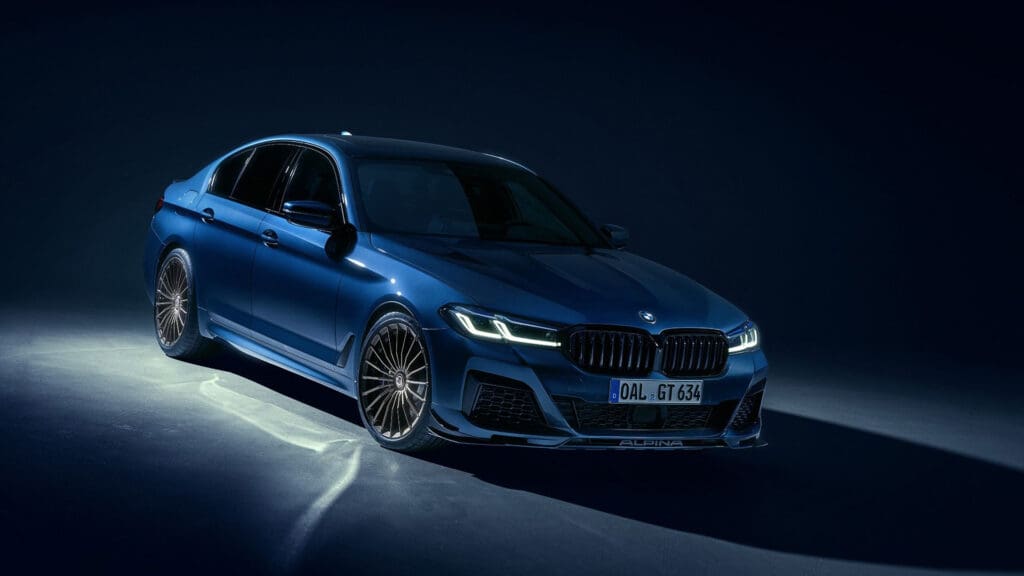
That philosophy made Alpina a cult favorite among enthusiasts who wanted more refinement than BMW M, but more character than a standard production model. Alpina engines were tuned for torque and smoothness, suspensions calibrated for long-distance composure, and interiors finished with a level of bespoke detail that bordered on artisanal. These were cars for people who knew exactly what they were buying—and why.
The acquisition by BMW was never about erasing that identity. If anything, it was about preserving it.
By the early 2020s, the reality for small, independent manufacturers had become increasingly harsh. Emissions legislation, safety regulations, and software complexity were pushing development costs to levels that only large groups could realistically sustain. For Alpina, continuing independently would have meant either dramatically scaling up or slowly fading away. BMW’s move ensured a third option: continuity through integration.
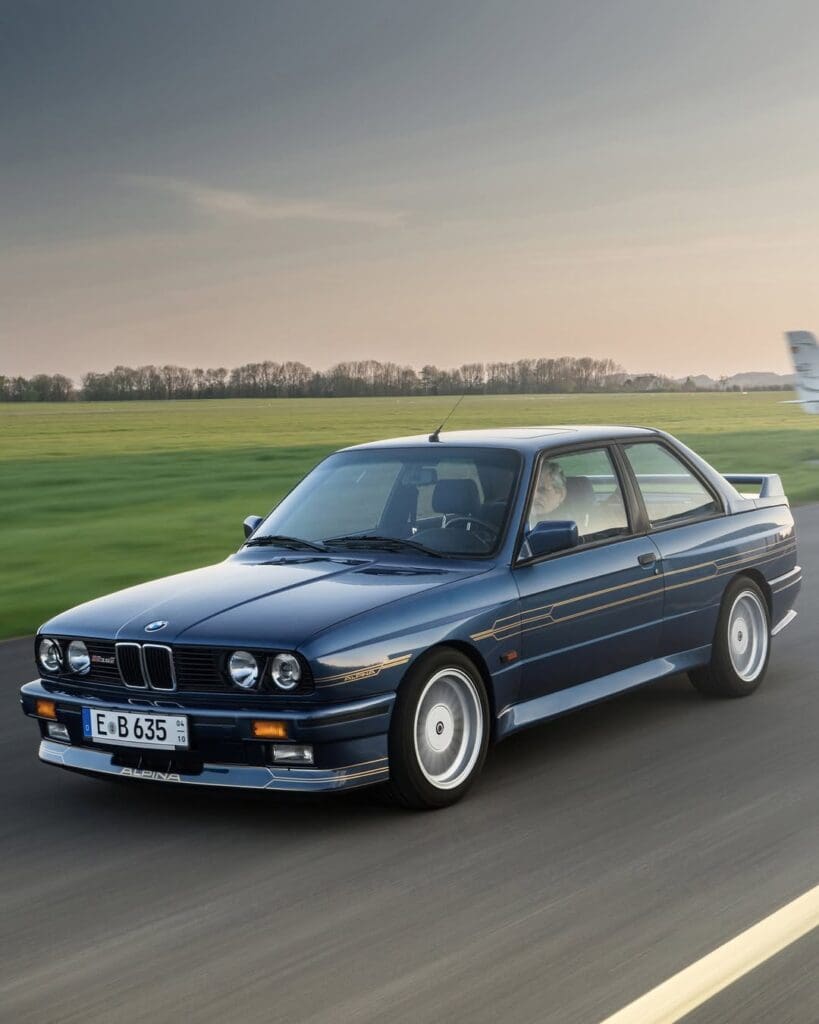
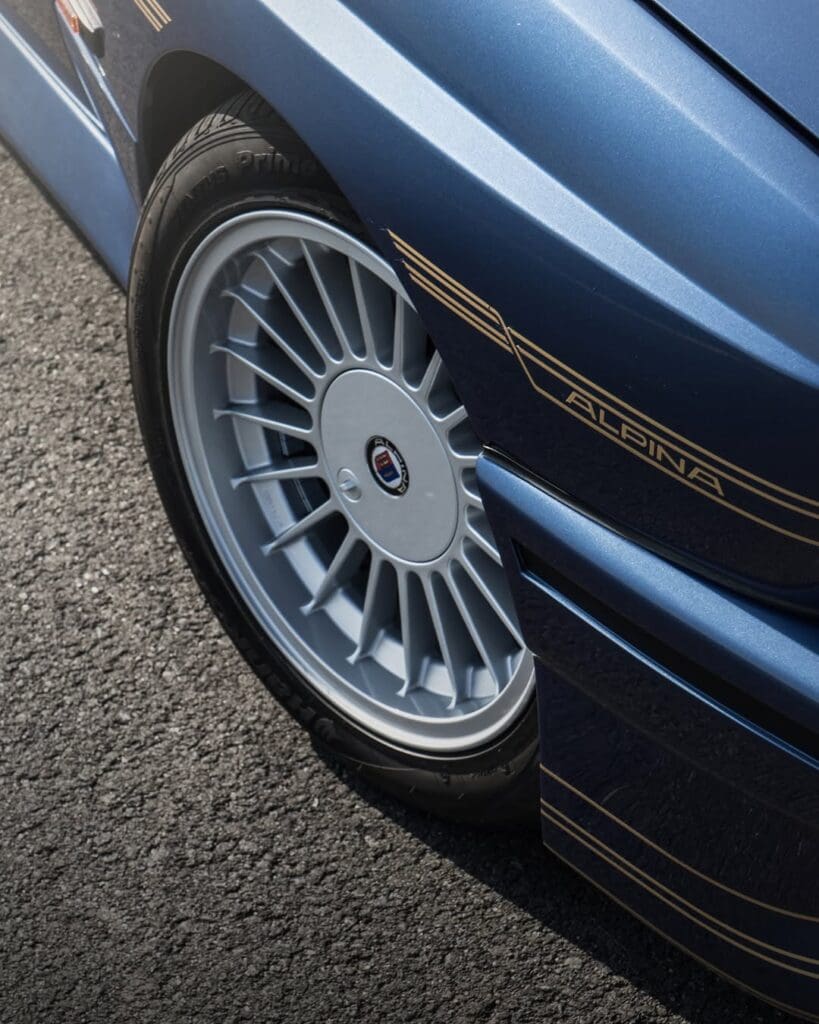
Now, with the trademark officially transferred, Alpina transitions from a semi-autonomous partner into a fully fledged brand within BMW Group. In practical terms, this positions BMW Alpina alongside BMW, MINI, and Rolls-Royce, rather than as an external specialist. Symbolically, it marks the end of Alpina as we knew it—and the beginning of something more structured, but potentially more secure.
What changes can we expect? Not an overnight reinvention. BMW has been clear that Alpina will not be turned into a second M division, nor diluted into a badge exercise. The brand’s role remains distinct: luxurious, high-performance grand touring with an emphasis on comfort, craftsmanship, and subtlety. Think long-range capability over lap times, bespoke detailing over aggressive styling.
Production will likely become more integrated into BMW’s existing manufacturing processes, while the historic Buchloe site is expected to focus on heritage, aftersales support, and specialist operations. For collectors and existing owners, this is an important signal. Alpina’s back catalogue—already highly sought-after—may well gain further prestige now that the original era has formally closed.
From a branding perspective, BMW has also taken care to respect Alpina’s visual and cultural DNA. Recent updates to the Alpina logo lean into heritage rather than futurism, reinforcing the idea that this is not a reboot, but an evolution. In an age where automotive brands often chase novelty at the expense of identity, that restraint feels deliberate—and refreshing.
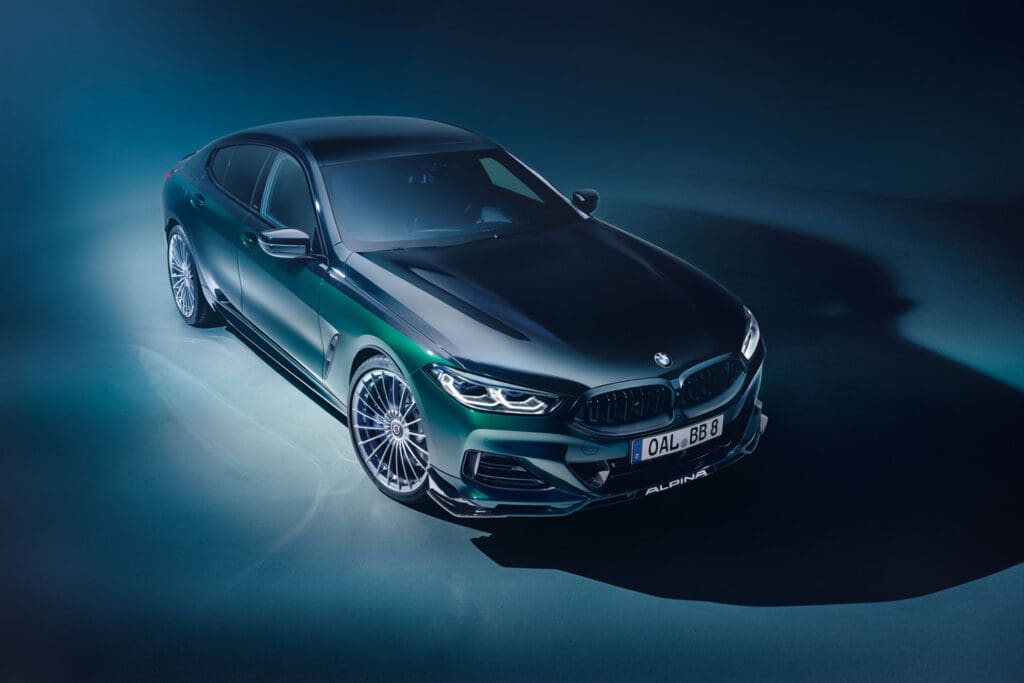
There is, of course, an emotional dimension to all of this. Alpina’s appeal has always been rooted in discretion and connoisseurship. The concern among enthusiasts is not that BMW lacks the technical capability to carry the torch, but whether the spirit of independence can survive inside a corporate structure. That remains an open question, and one that will only be answered by the cars themselves.
Still, if the alternative was disappearance, this feels like the right outcome. Alpina doesn’t become a relic frozen in time, nor does it vanish into history. Instead, it gains the resources to exist in a future where craftsmanship must coexist with compliance, and heritage must adapt rather than resist.
As 2026 unfolds, BMW Alpina stands at a rare intersection of past and future. The era of the independent manufacturer may be over, but the values that defined it—subtle luxury, intelligent performance, and quiet confidence—now have the backing of one of the world’s most powerful automotive groups.
If BMW gets this right, Alpina won’t lose its soul. It will simply gain a longer road ahead.
What do you think about 2026 for BMW Alpina? – Are you excited?
More about motors here
