The first thing you notice is how quiet it feels.
Not silent in the electric sense, but visually quiet. Ferrari’s glimpse into the Luce interior is restrained, almost contemplative. It does not perform futurism. It studies it.
For a brand built on combustion theatre, this is an unusually exposed moment. Ferrari’s first fully electric car arrives with an internal tension that cannot be engineered away. On one side, decades of raw mechanical violence. On the other, instant torque delivered in near silence. Different sensations. Arguably even greater power. A different kind of force.
The cabin suggests they understands the contradiction.

The name Luce, light, is not accidental. Light as illumination. Light as clarity. There is an attempt here to reduce the noise around electrification and focus on something more human. Not what is lost, but what is gained.
Jony Ive’s presence is felt, but not theatrically.
His design language has always been about reduction with intent. At Apple, the most radical gesture was not minimalism. It was clarity. The iMac, the iPhone, even the Apple Watch were less about surface purity and more about making complexity feel inevitable.

It would have been easy, given that heritage, to push the toward a screen-led future. A vast pane of glass. A car that behaved like a device.
Instead, the opposite instinct seems to have prevailed.
In the Luce, that instinct is visible. Physical controls return with conviction. Machined toggles and tactile switches sit proudly where many competitors would have placed glass. Core functions are not buried in menus. They are there, waiting for muscle memory.

It is minimal, yes. But not in the way many expected.
With Ive’s Apple lineage, one might have anticipated a more radical embrace of touch surfaces and digital abstraction. Keeping physical buttons feels deliberate. Even corrective. It acknowledges that a Ferrari is not consumed like media. It is driven. Hands matter. Glances matter. The rhythm between driver and machine still matters.
Look closely and the cabin is not nostalgic. The proportions are modern. The interfaces are layered and intelligent. The digital display remains central, but it behaves as a servant rather than a master. Technology is present, yet it does not dominate the mood.
This is where the internal battle becomes interesting.
Ferrari’s mythology is inseparable from sound. The rise and fall of revs. The vibration through the chassis. An engine that felt alive, sometimes temperamental, always dramatic. An electric Ferrari cannot replicate that story. Nor should it try.
It suggests a reframing. Performance not as audible aggression, but as immediacy. Four motors distributing torque with microscopic precision. An 880-volt architecture delivering force without crescendo. Power that arrives without warning rather than building toward it.
It is still raw. Just differently so.
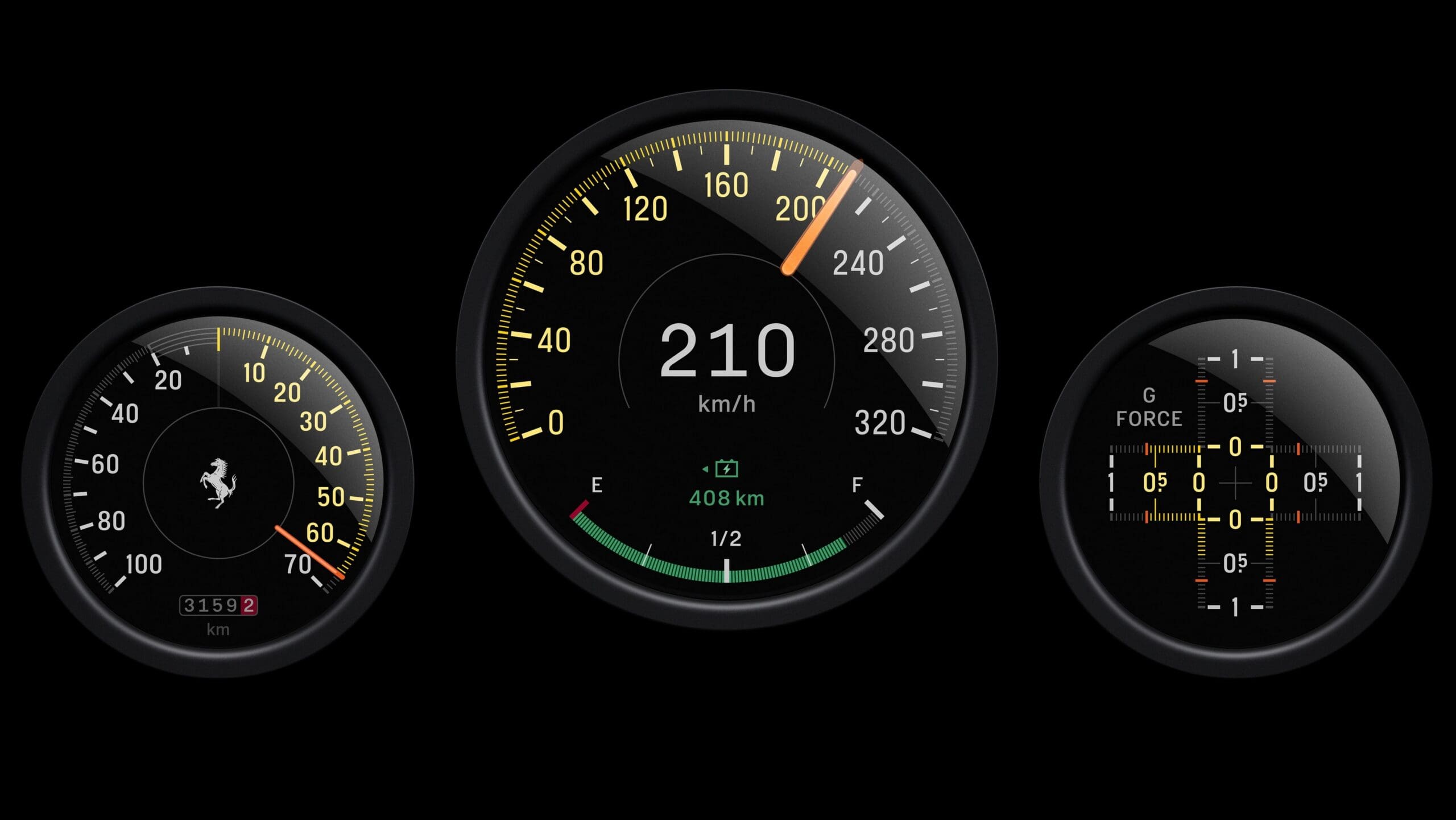
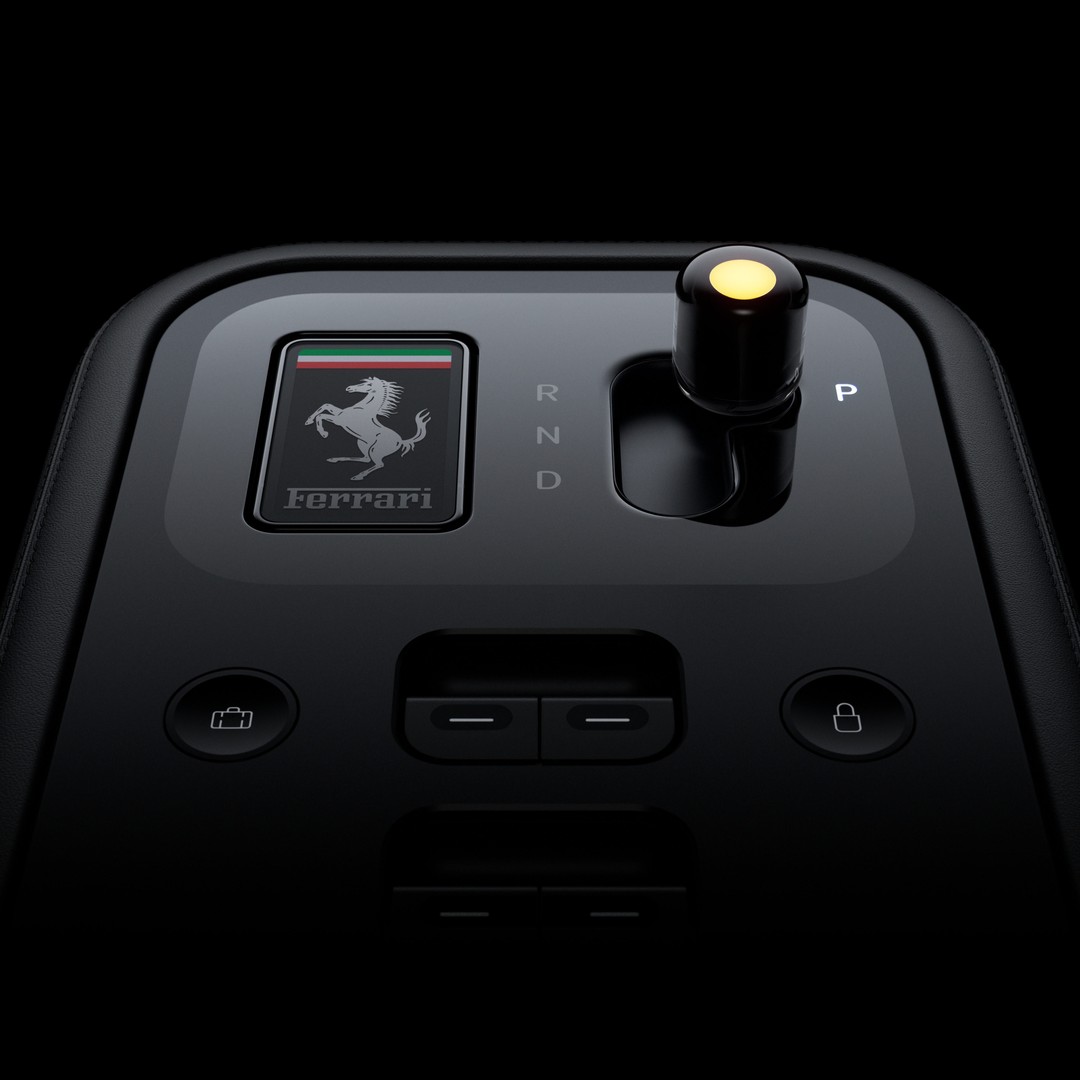
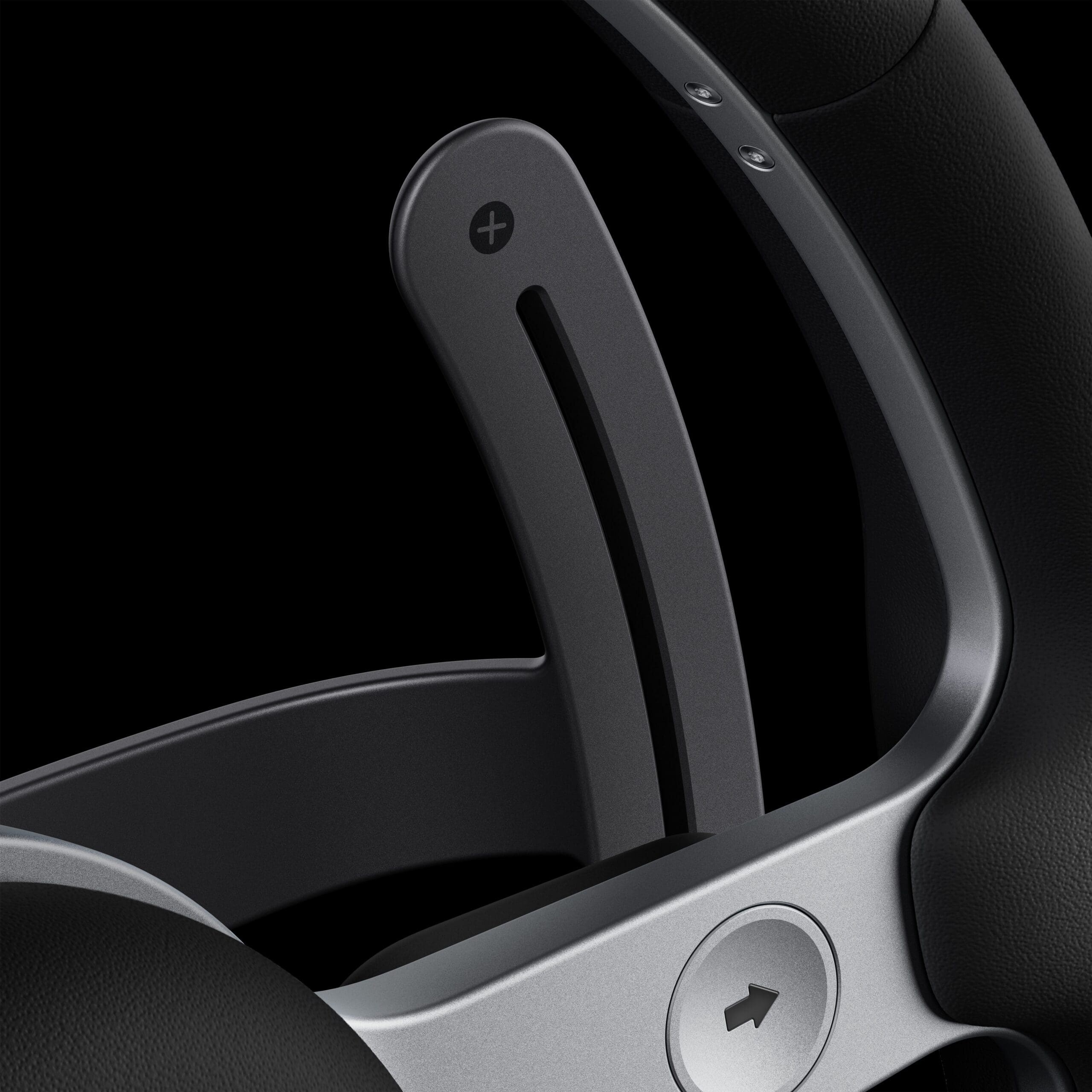
By leaning into tactility and human scale, they are reframing performance as experience rather than noise. The quad motors and high voltage architecture will deliver numbers that reassure purists. But the interior tells us where the emotional investment lies.
This balance will matter.
If Ferrari overcorrects toward technology, it risks becoming another premium EV brand in red paint. If it clings too tightly to nostalgia, it risks irrelevance. The interior sits carefully between those poles.
There is restraint in that choice.
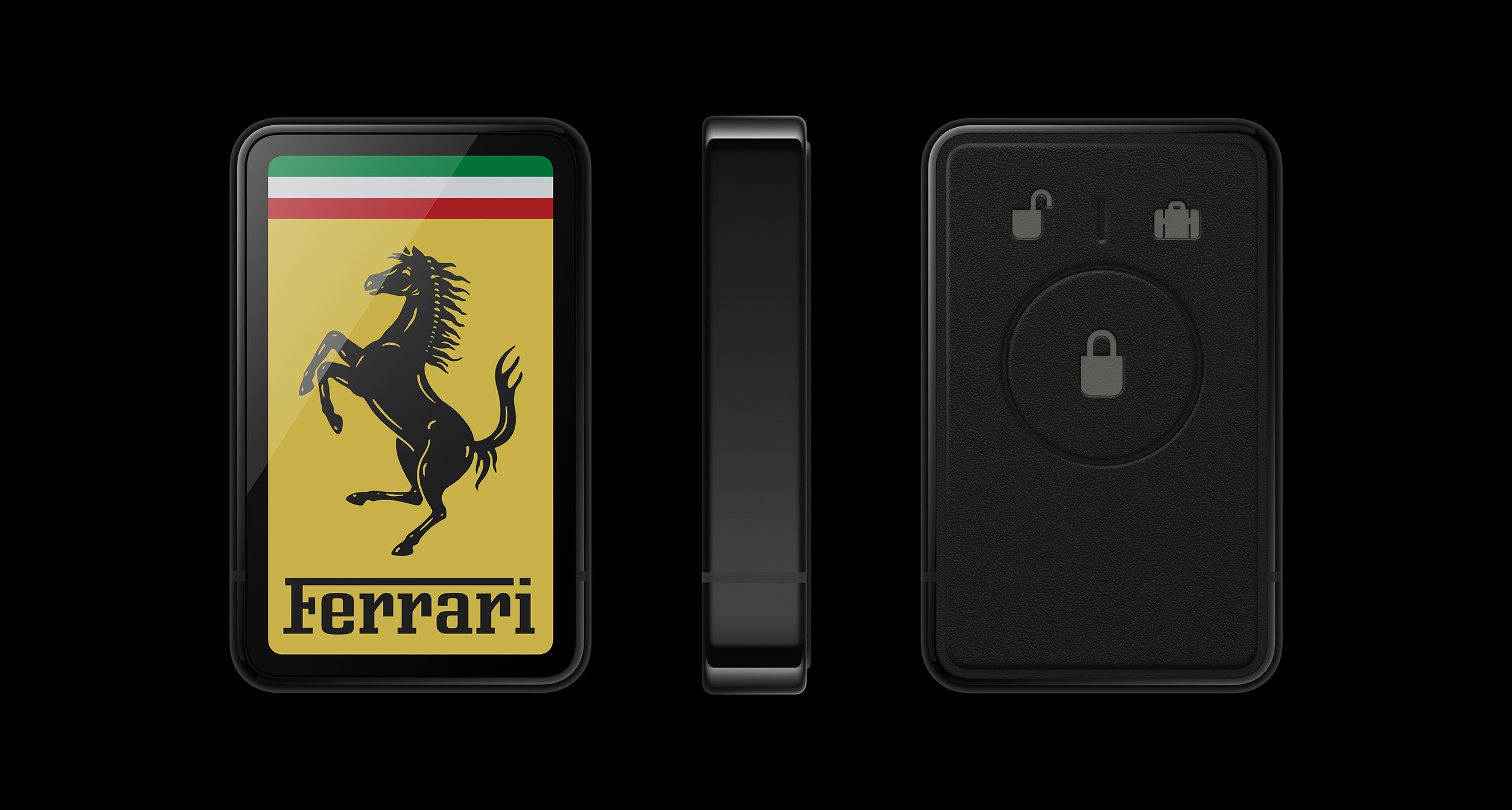
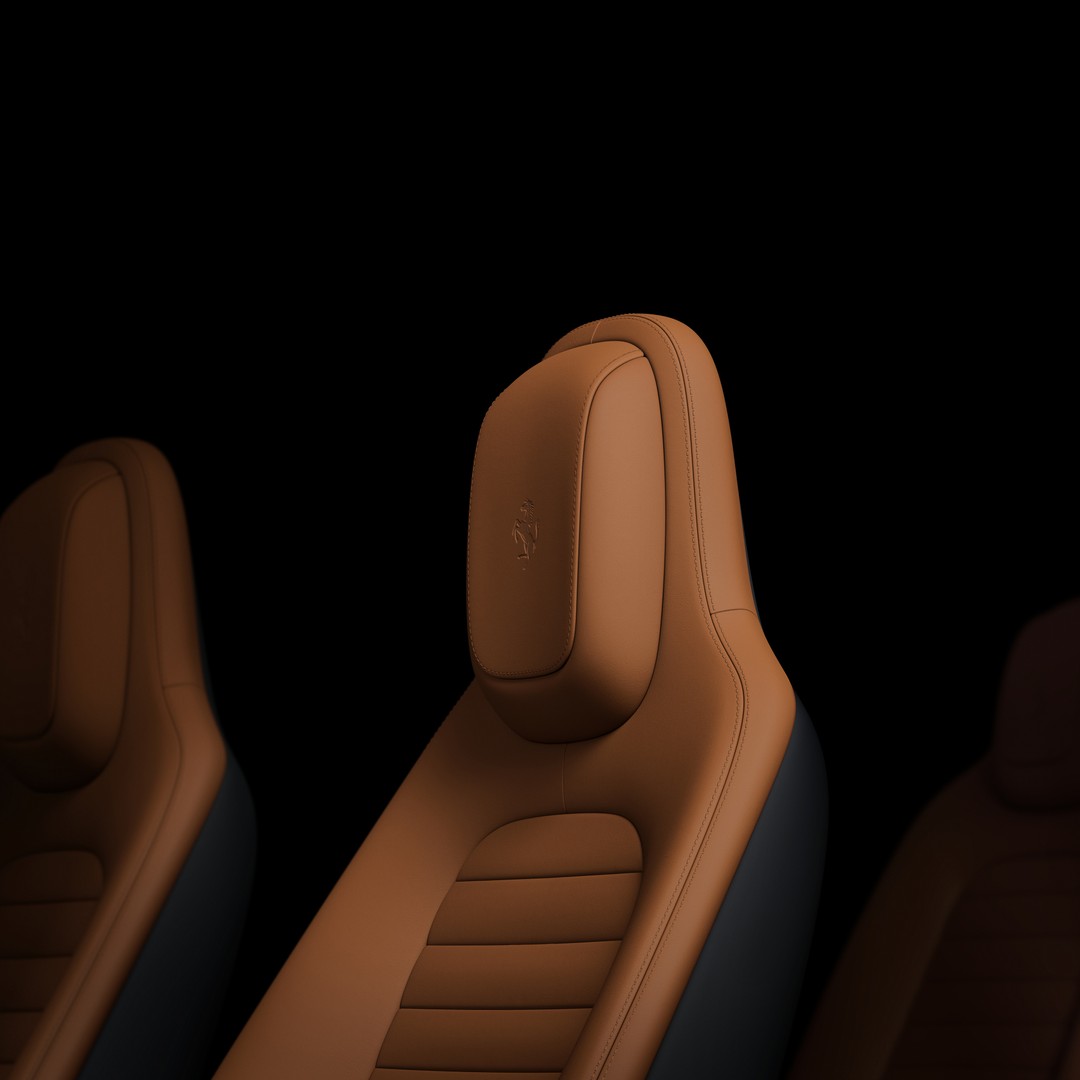
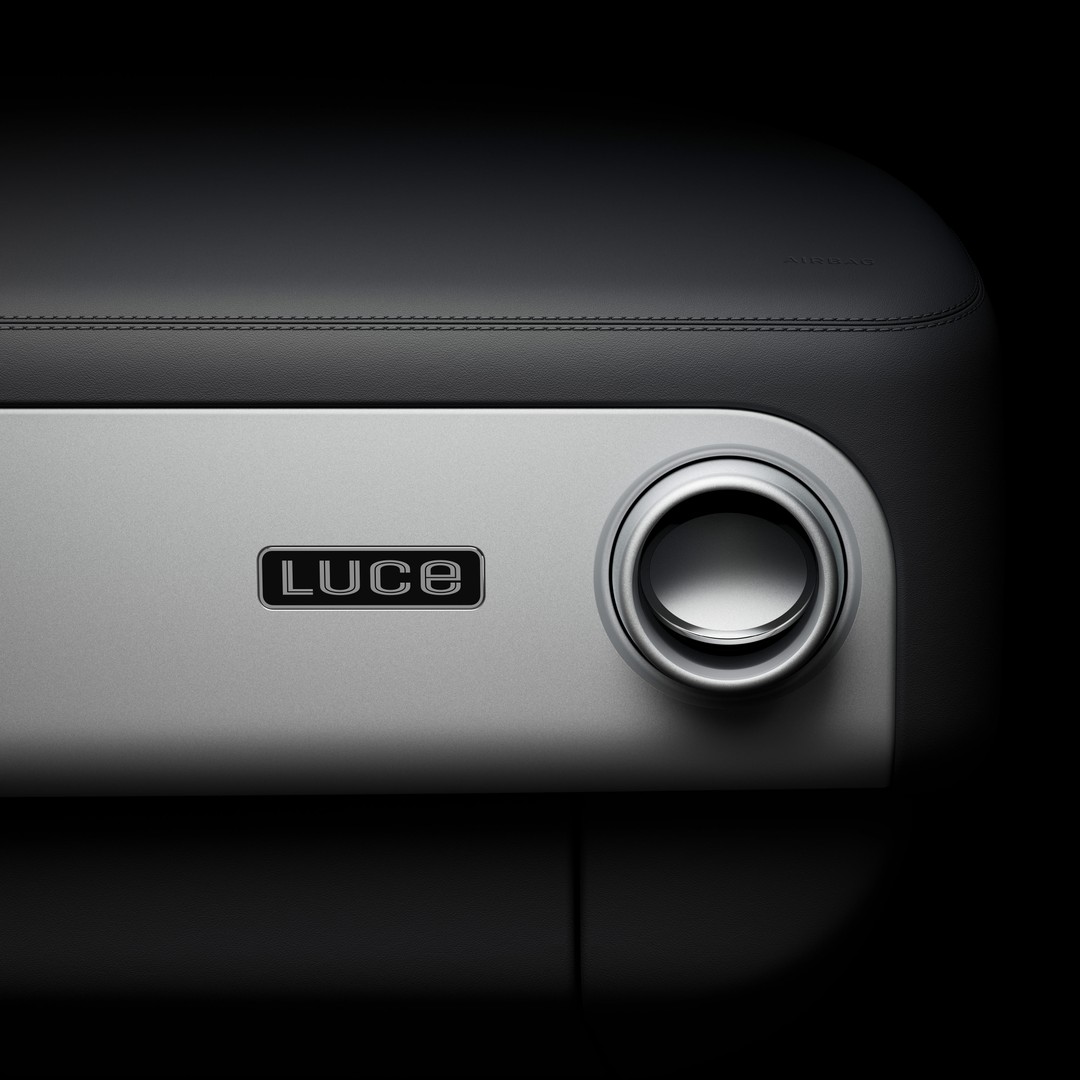
The collaboration with LoveFrom does not read as an attempt to import Silicon Valley into Maranello. It feels more like a conversation about discipline. About what to remove, and what to protect. Ferrari brings heritage and mechanical instinct. Ive brings an obsession with coherence. Neither side appears to dominate.
The result, at least from this early glimpse, is a car that accepts its contradiction.
Silent, yet more powerful than any road Ferrari before it. Minimal, yet materially rich. Technologically advanced, yet physically grounded.
The full story will only be clear once the car is revealed in its entirety and driven in anger. But interiors rarely lie. They reveal intention before performance figures ever can.
With the Luce, Ferrari is not trying to recreate the past in electric form. It is trying to carry its emotional logic forward, into a quieter future.
That may prove more difficult than building a thousand horsepower EV. And far more consequential.
Read more about cars here.
