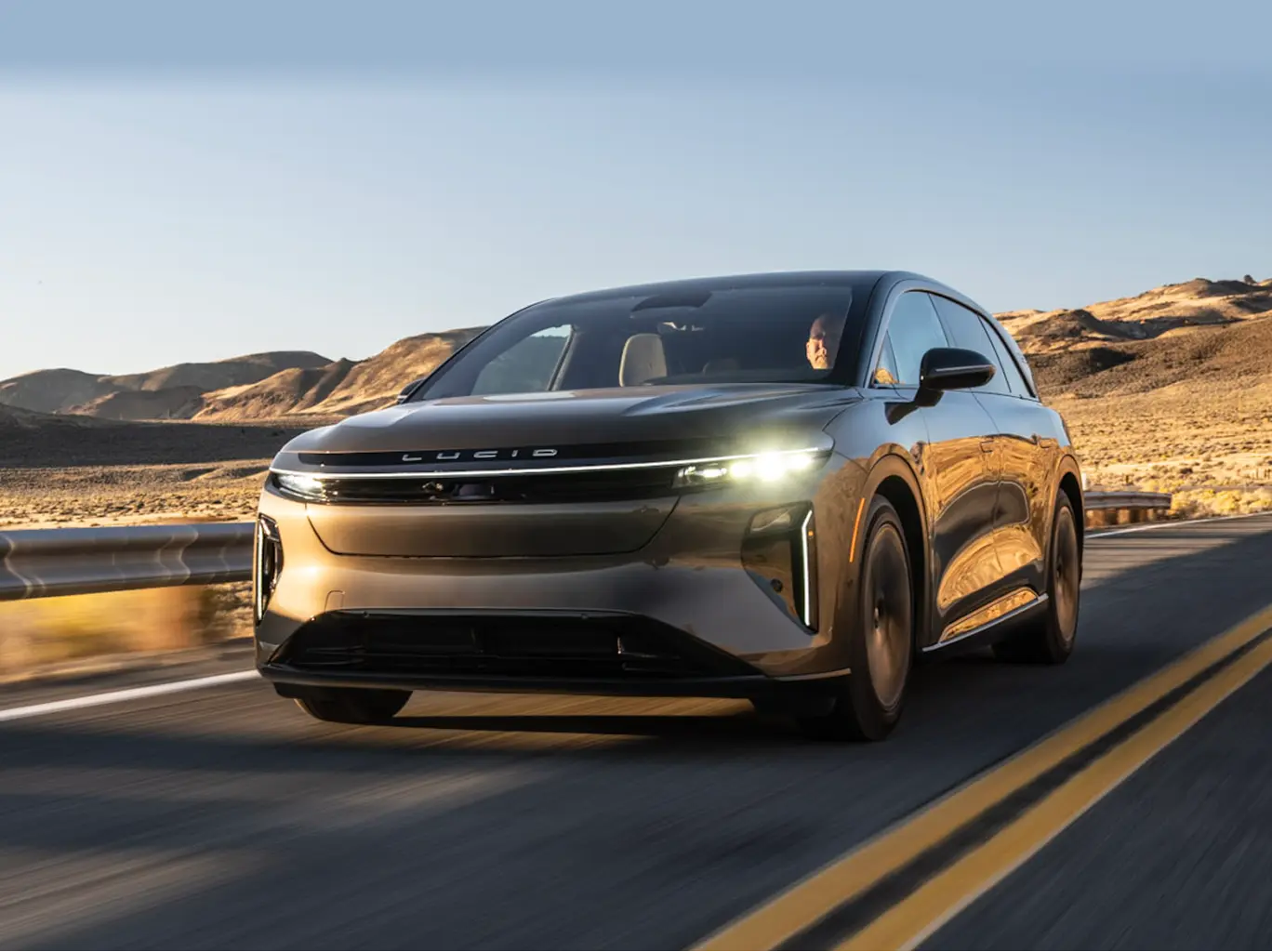
The Lucid Gravity presents itself as a luxury electric SUV for families. It has three rows of seats, a vast glass roof, and the kind of range that makes road trips feel plausible again. But that is only half of the story. From its inception, the Gravity was engineered for a second, more anonymous purpose: to operate without a human behind the wheel.
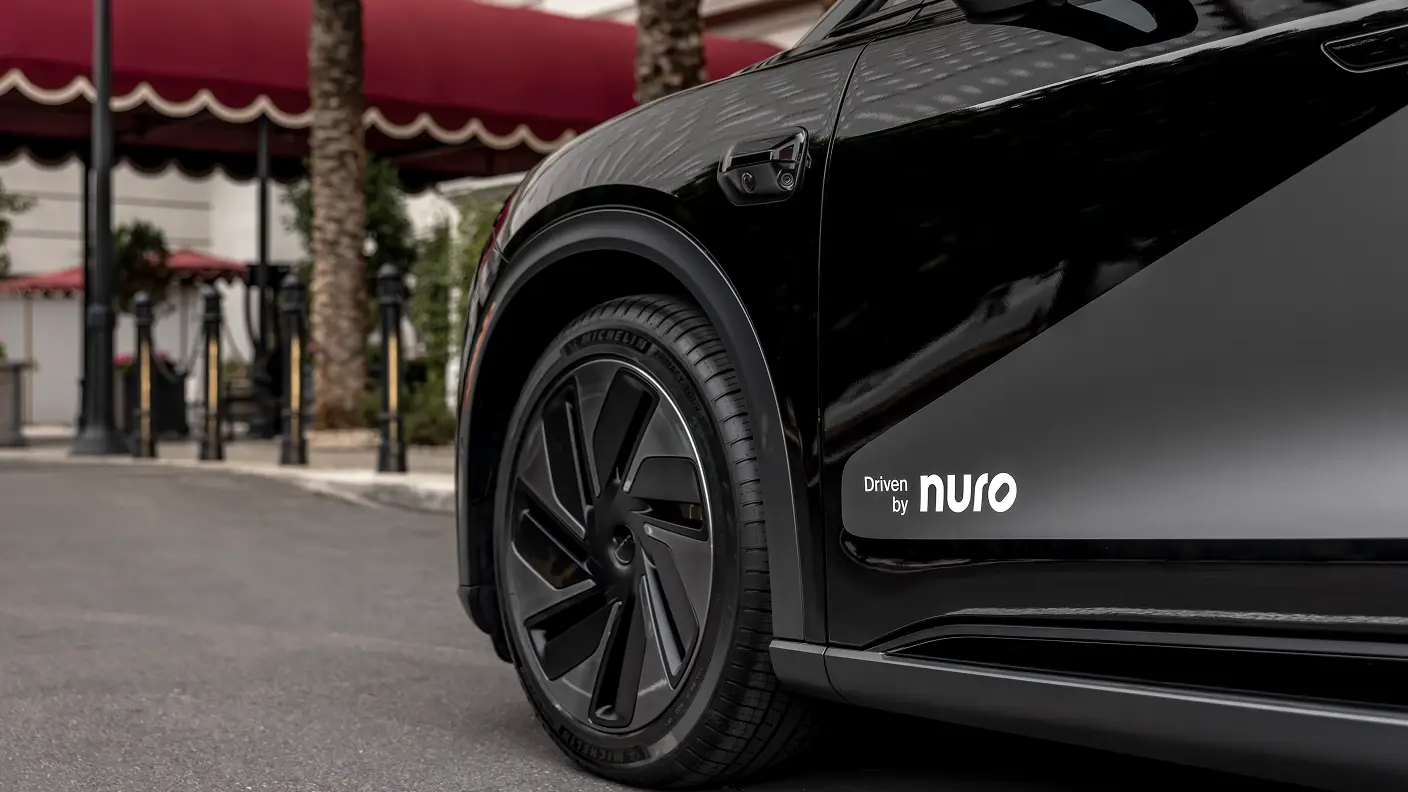
This is not a theoretical exercise. Lucid Motors has been clear that the vehicle’s underlying architecture was developed with autonomous ride-sharing in mind. The company is actively working with partners like the autonomous delivery firm Nuro to adapt the platform for a future where mobility is a service, not a possession. The goal is to create a fleet of premium robotaxis, turning the Gravity from a family car into a piece of mobile public infrastructure.
A Platform Built for Passengers
The decision to build for autonomy shaped the Gravity from the ground up. Luxury has traditionally been measured by what the driver experiences. Here, the focus shifts to the passenger. Lucid’s core engineering principle involves the miniaturization of its drivetrain components. By making the motors and batteries smaller and more efficient, they free up a disproportionate amount of interior volume. The result is a vehicle with a mid-size exterior footprint but an interior that feels more like a full-size SUV.
This spatial efficiency is the key. It allows for flexible seating configurations for up to seven adults, or a smaller number of passengers with expansive legroom. The flat floor and wide door openings are not just for convenience. They are designed for high-frequency use, making it easy for people to get in and out quickly. It is the logic of a subway car applied to a luxury vehicle. Every design choice serves a dual function, catering to both a private owner and a fleet operator.
The New Logic of Luxury
This strategy marks a significant pivot in how a luxury car brand sees itself. The value proposition is no longer centered on the pride of ownership or the thrill of driving. Instead, it is about providing a superior passenger experience. A trip in an autonomous Gravity would be quieter, more spacious, and more comfortable than in a standard ride-share vehicle. Luxury becomes an ambient quality, a feature of the journey itself.
For a brand like Lucid, this is a pragmatic hedge against an uncertain future. While competitors focus on building ever-faster cars for enthusiasts, Lucid is preparing for a world where personal car ownership may decline, especially in dense urban centers. The company is betting that even in a future of shared mobility, there will be a market for a premium tier. The Gravity is their answer to that possibility.
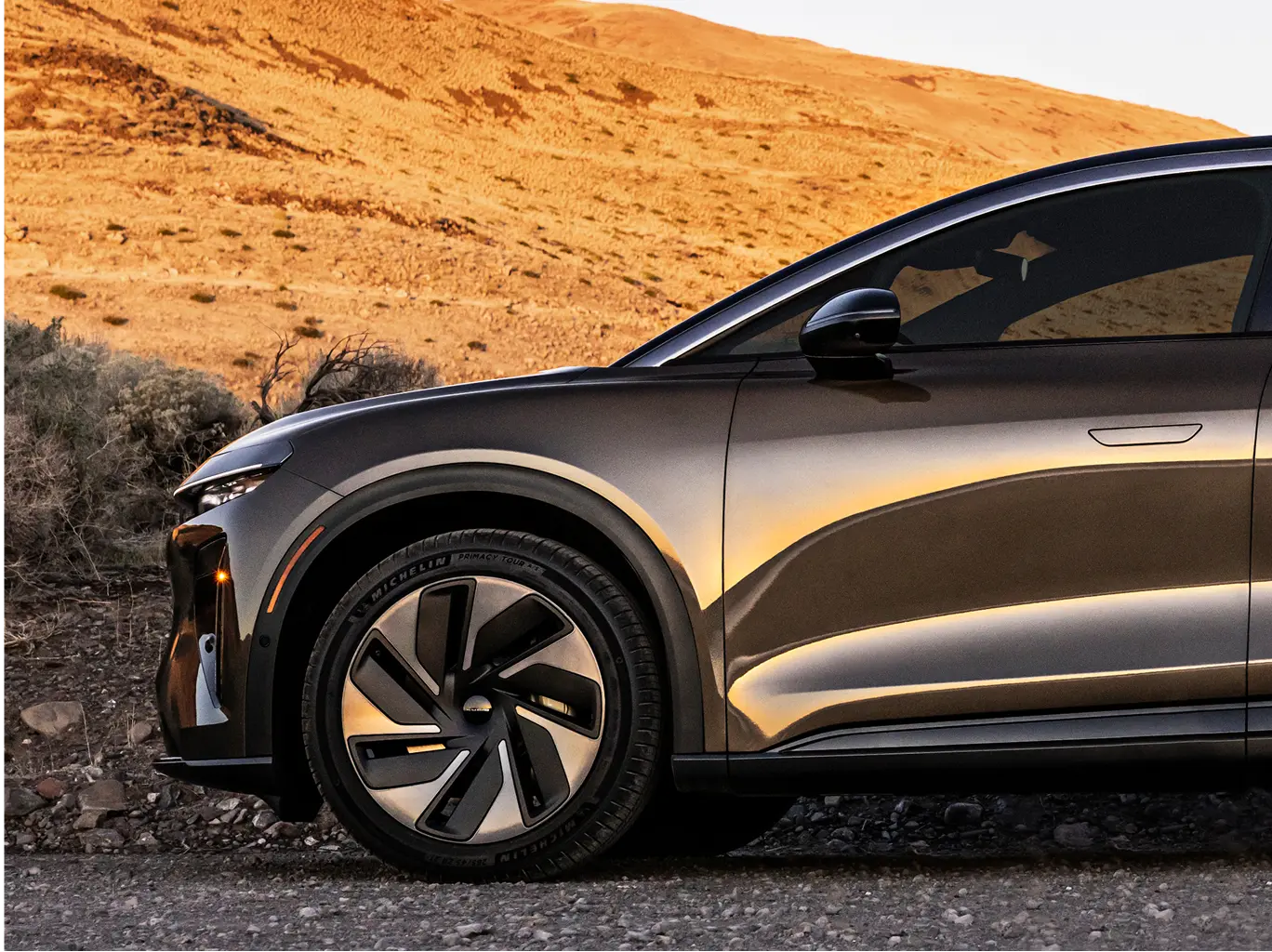
It also reframes the conversation around electric vehicles. Much of the focus has been on range and performance metrics. Lucid’s approach suggests another path, where the real advantage of an EV platform is its architectural freedom. By removing the engine, transmission tunnel, and fuel tank, designers can fundamentally rethink the purpose of a car’s interior. The Gravity is less a car in the traditional sense and more a mobile space, designed to be useful whether you are driving it or not.
Read more about motors here.